
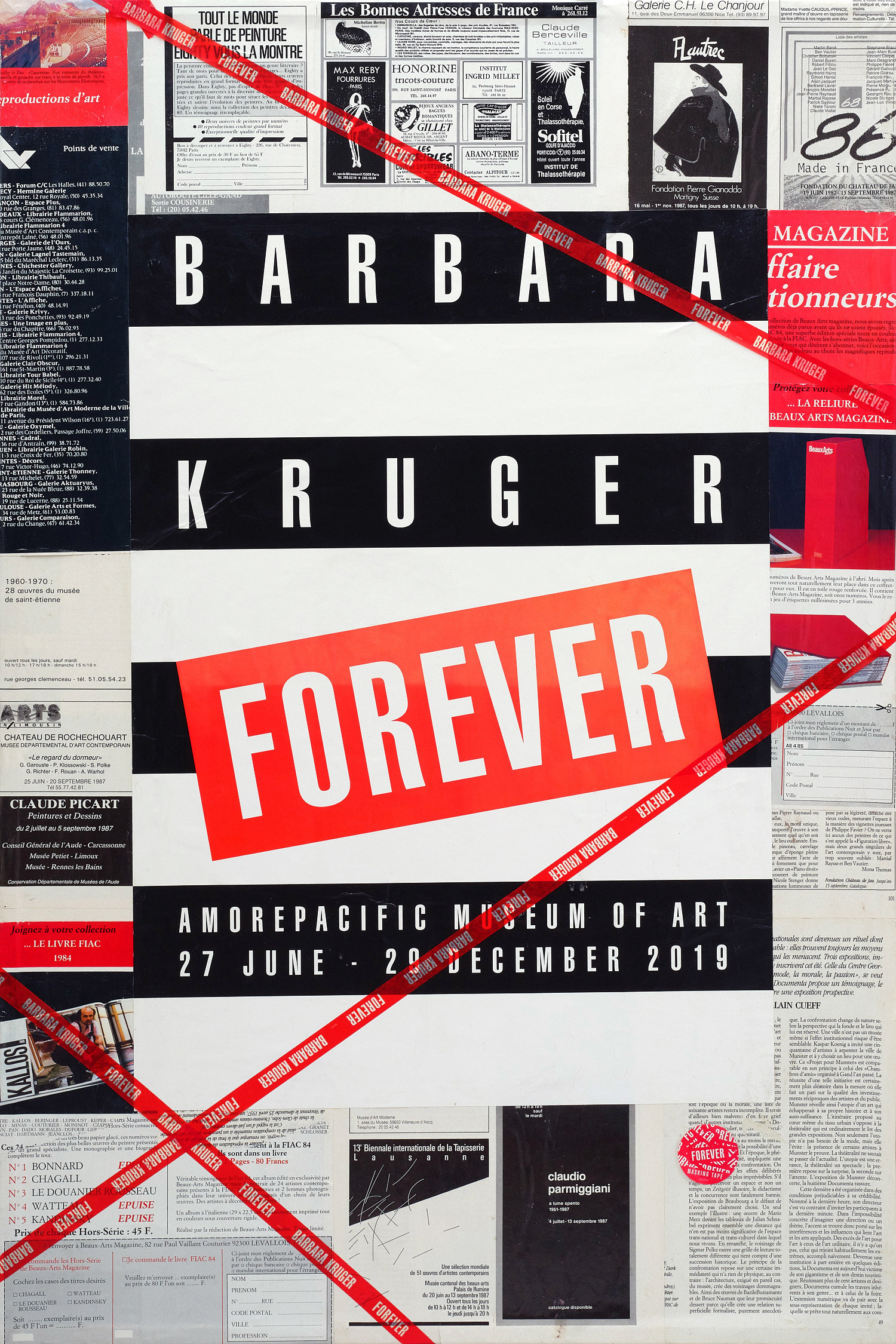
My Private Museum(Barbara), 60x90cm, Mixed Media Collage, 2022
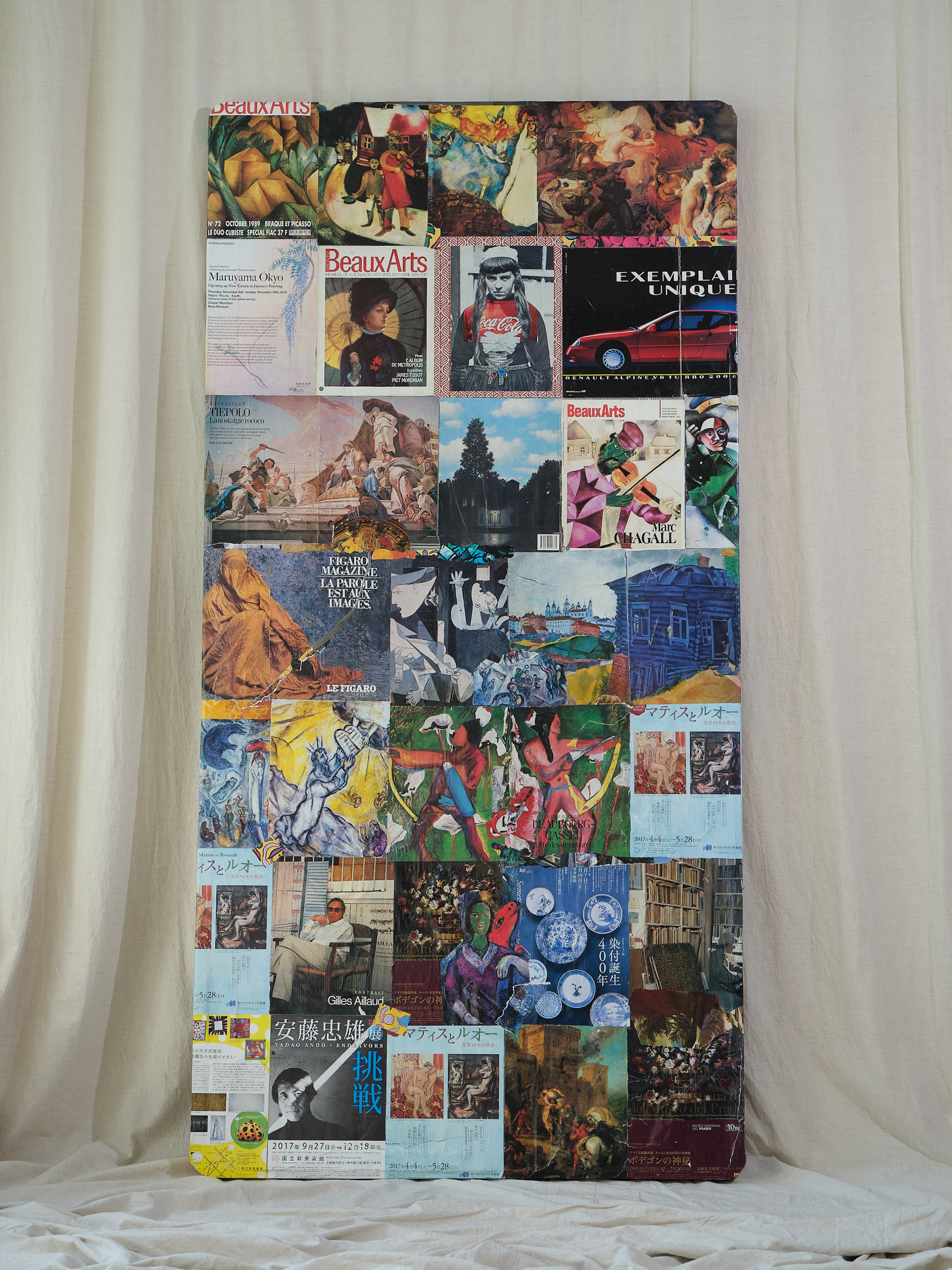
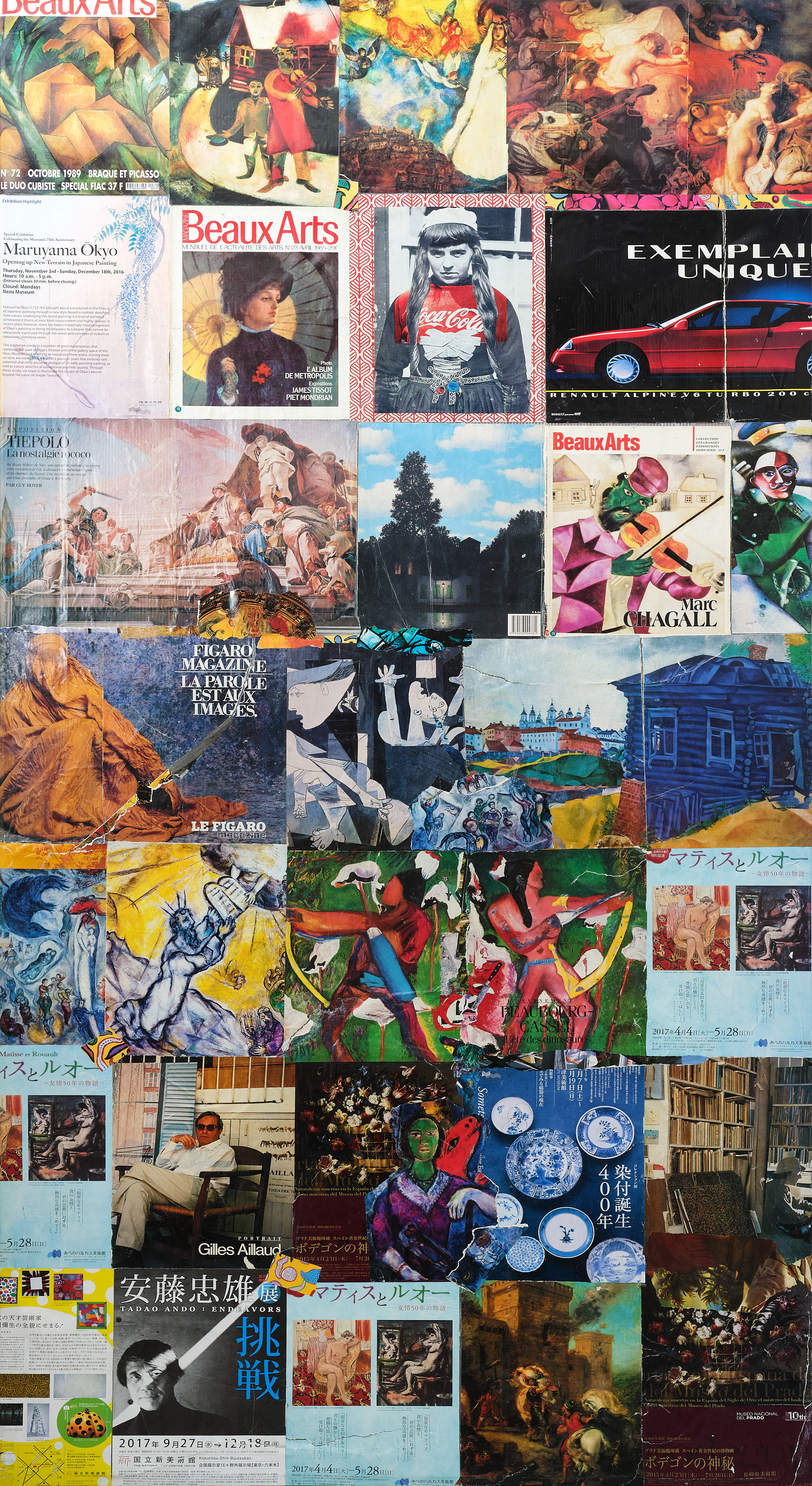
My Private Museum,01,108x198cm, Mixed Media Collage, 2022
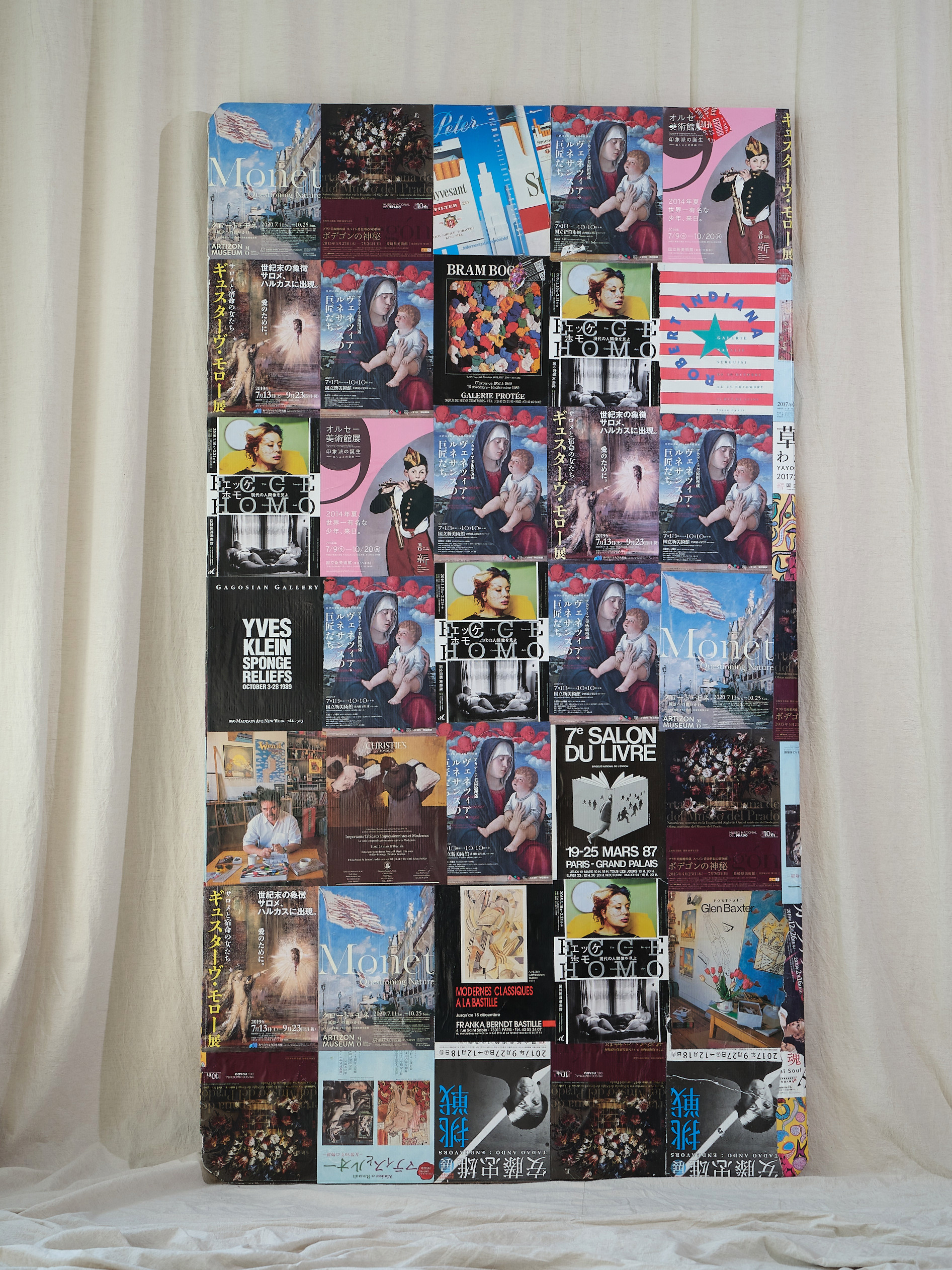
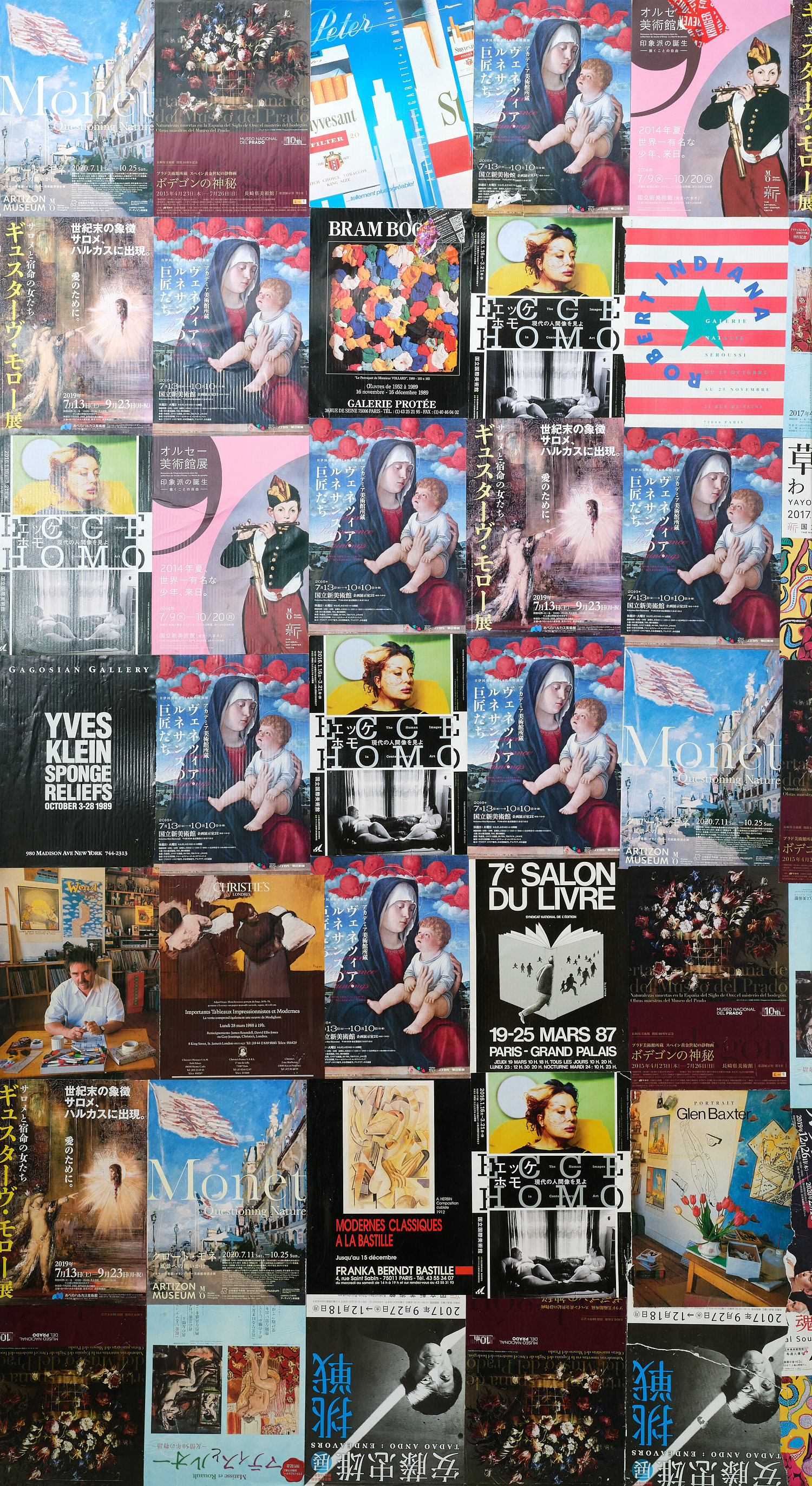
My Private Museum,02,108x198cm, Mixed Media Collage, 2022
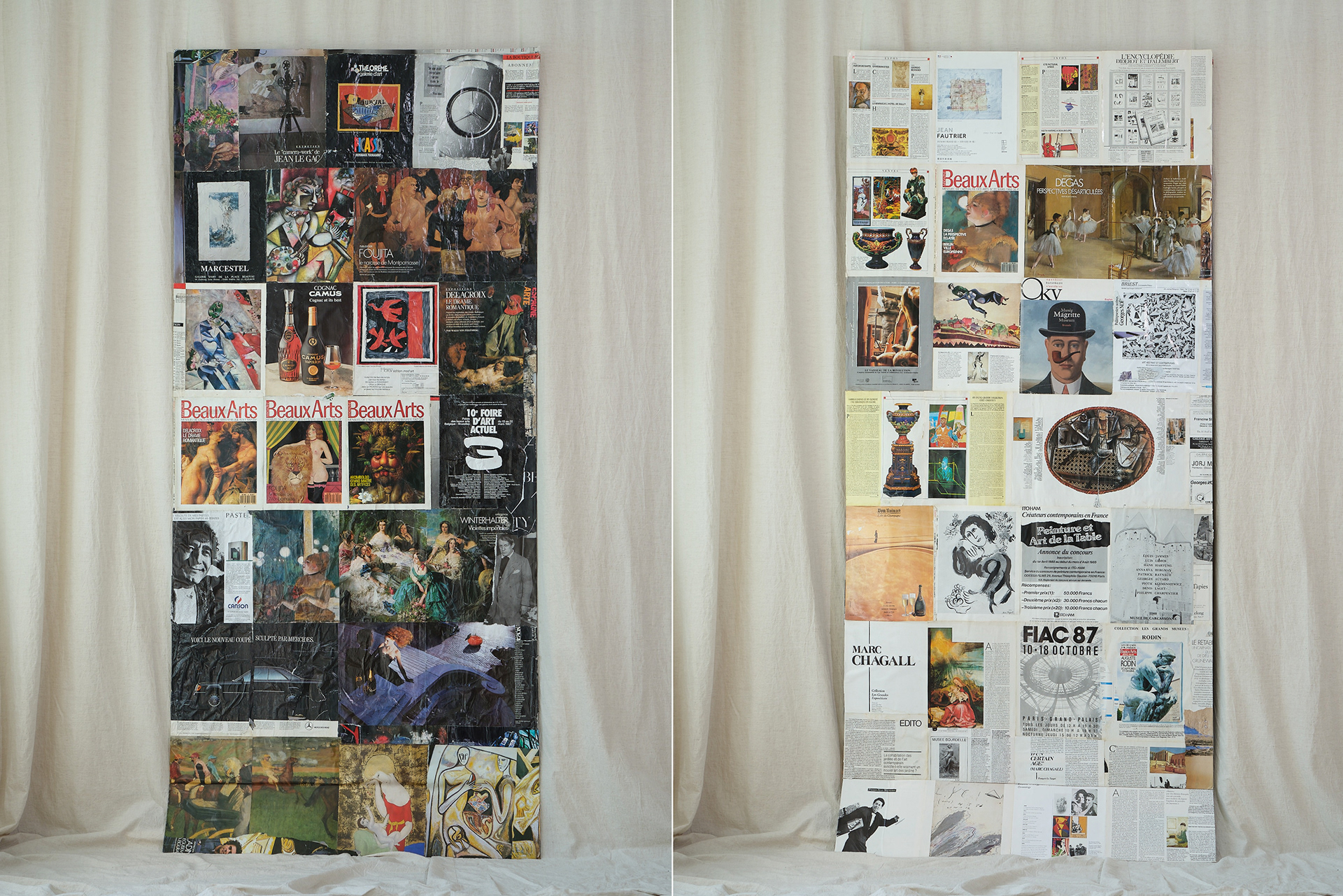

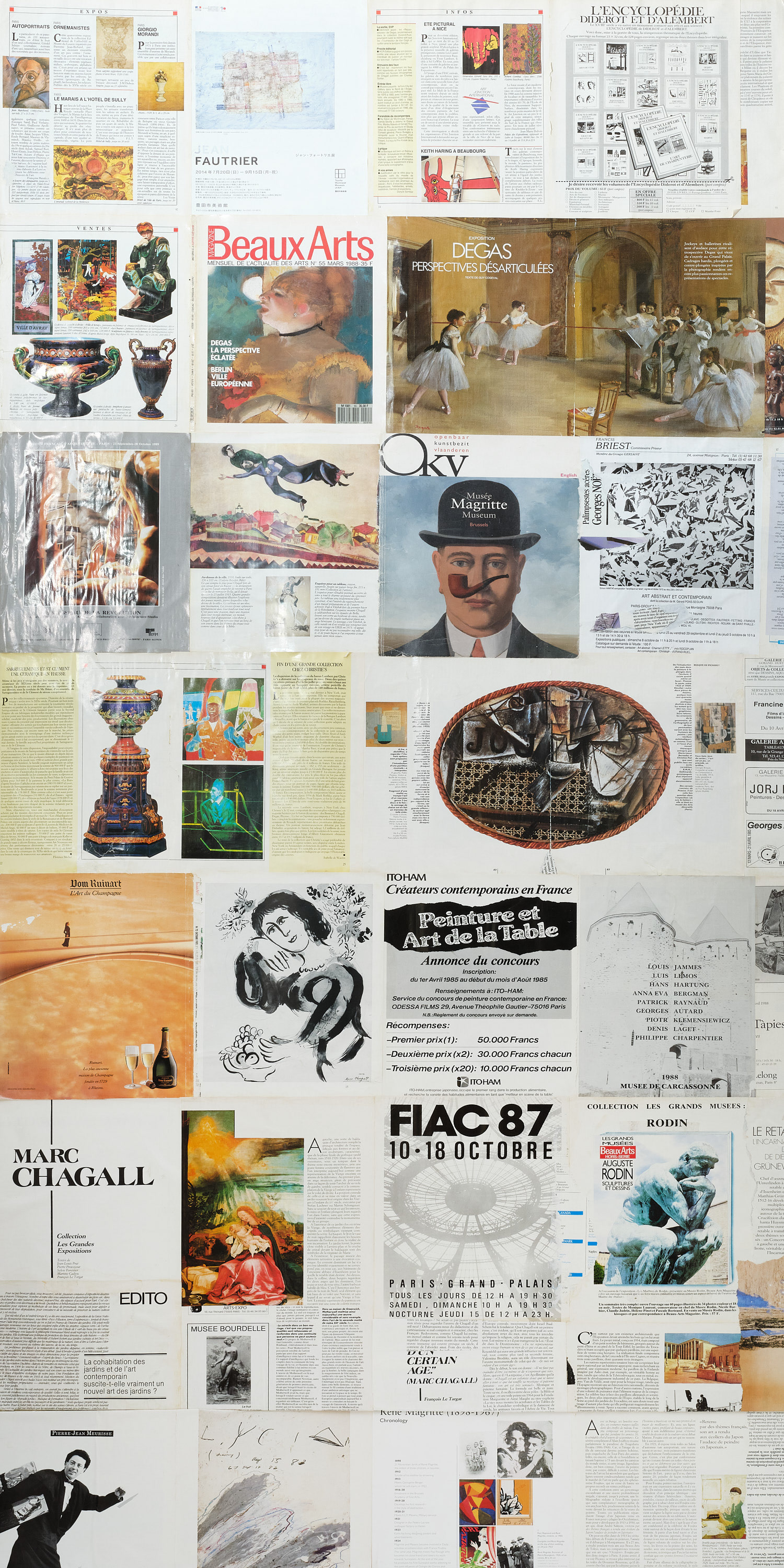
My Private Museum,03,04
90x200cm, Mixed Media Collage, 2022

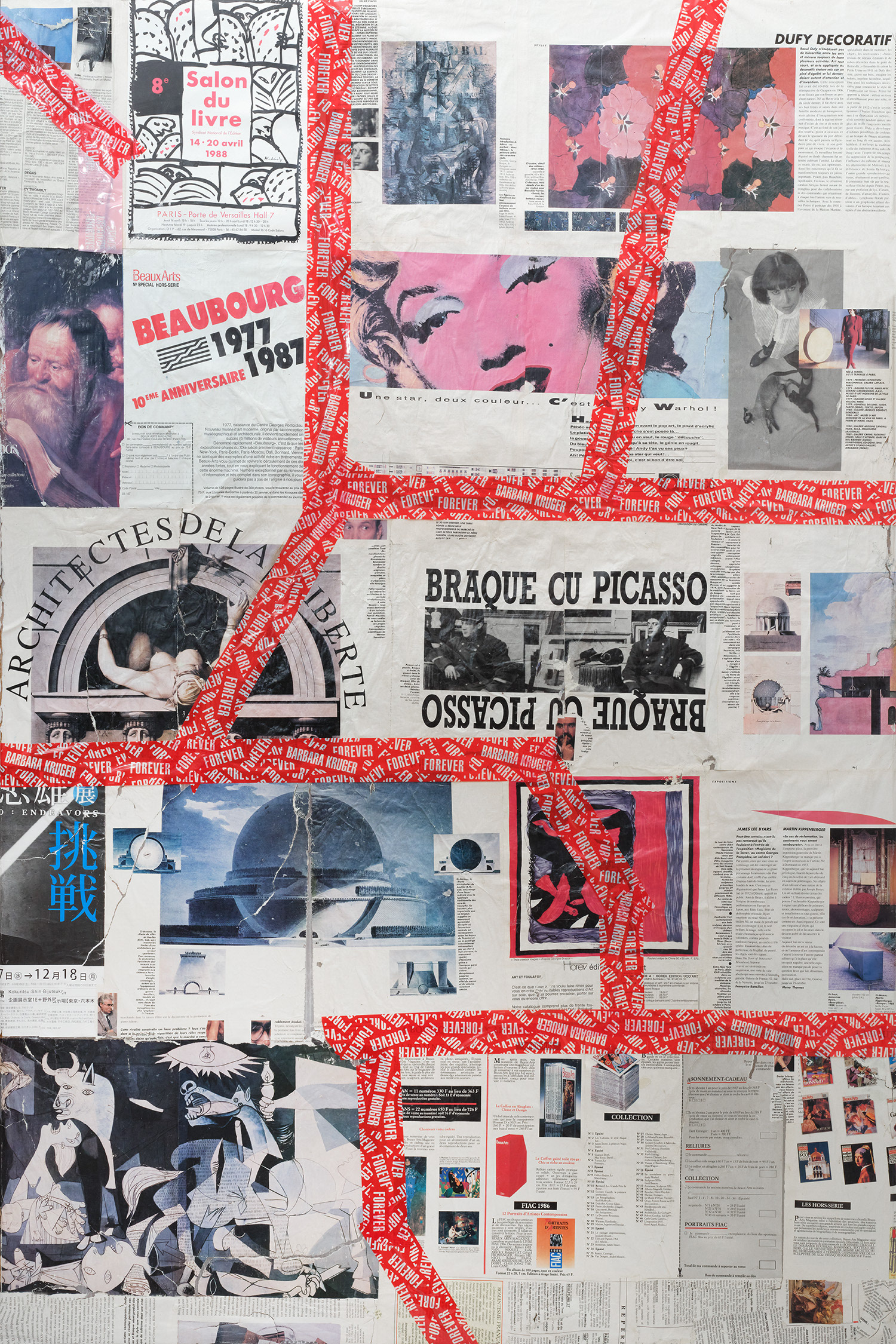
My Private Museum (Marilyn),98x148cm, Mixed Media Collage, 2023

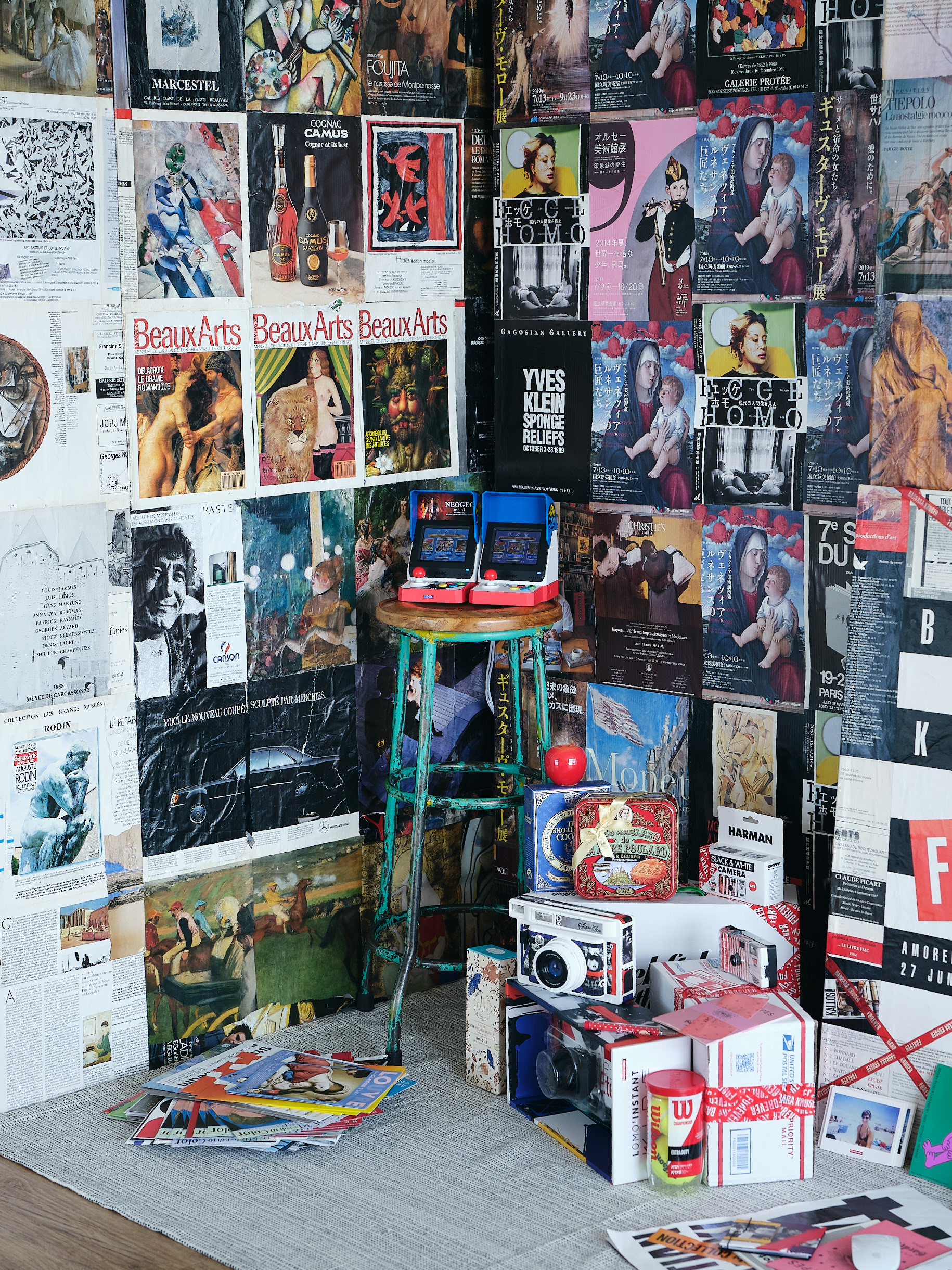
Korean artist Jimin Son’s My Private Museum (2023–present) is a project born from physical limitation. Diagnosed with dermatomyositis—a rare autoimmune disease similar to ALS—Son could move for only about an hour a day at the height of her illness. During that brief window, she created a small studio at home where she cut magazines, pasted images, and arranged photos of friends and places she longed to see. However, this process was not merely a collage for comfort; it was an act of professional reclamation and self-reconstruction. Neurologically, these repetitive visual and tactile actions stimulated the prefrontal cortex and hippocampus (planning and memory), while positive imagery activated the dopaminergic reward pathway. Even minimal hand movements helped maintain sensorimotor feedback loops.
Crucially, Son’s approach diverges from a typical therapeutic narrative. She does not treat art as a diary of sickness, but as a discipline of mastery. Just as an injured athlete focuses on the mechanics of the game rather than the pain of the injury, Son utilized the medium of collage to strategically bypass her physical limitations. Specifically, the tactile engagement with paper offered a distinct sensory grounding. The friction of the scissors against the magazine pages and the sticky texture of the glue provided continuous haptic feedback, serving as "sensory anchors" that reminded the brain of the hands' agency. Furthermore, the selection of images acted as a form of "visual-motor simulation." By meticulously cutting out images of running legs, vast landscapes, or healthy bodies, the artist engaged the mirror-neuron system. Viewing and manipulating these images of vitality likely triggered the premotor cortex, simulating actions that were physically impossible at the time. Thus, My Private Museum serves as a repository of "borrowed movements"—a bank of kinetic potential stored in paper form.
In this curated world, the focus is never on the "patient." The artwork presents a domain of beauty, desire, and movement, completely devoid of the traces of illness. This aligns with a "top-down processing" override in neuroscience. The prefrontal cortex (willpower and goal-setting) suppresses the signals from the limbic system (emotional distress), allowing the artist to function simply as a creator. Like Matisse, Son asserts that the creator’s spirit is independent of the body’s condition. The illness is merely background noise; the art is the only signal that matters.
To sustain this focus when pain was severe, Son practiced a third-person observation of herself—what Damasio (1999) calls “metacognitive distancing.” This attention shift reduces pain perception by redirecting neural activity from the limbic system to the prefrontal regions responsible for meaning and focus. In her later practice, Son expanded this strategy by working through assistants—directing photography projects and editing images while bedridden. By externalizing creative agency, she displaced pain with concentration, turning art into a form of neural reprogramming. My Private Museum thus stands as evidence that artistic creation can restore mental and physical coherence even within illness.
한국 작가 손지민의 <My Private Museum>(2023–현재)은 신체적 한계에서 탄생한 프로젝트입니다.
루게릭병과 유사한 희귀 자가면역질환인 피부근염 진단을 받은 손지민은 투병이 가장 심했을 때 하루에 약 1시간 정도만 움직일 수 있었습니다.
그 짧은 시간 동안 그녀는 집안에 작은 스튜디오를 만들어 잡지를 오리고, 이미지를 붙이고, 보고 싶은 친구들과 장소들의 사진을 배열했습니다. 그러나 이 과정은 단순히 위안을 위한 꼴라주가 아니라, 전문적 지위의 탈환이자 자아 재구성을 위한 행위였습니다.신경학적으로 이러한 반복적인 시각 및 촉각 활동은 전전두엽과 해마(계획 및 기억)를 자극했고, 긍정적인 이미지는 도파민 보상 경로를 활성화했습니다. 아주 작은 손의 움직임조차 감각운동 피드백 루프를 유지하는 데 도움이 되었습니다.
루게릭병과 유사한 희귀 자가면역질환인 피부근염 진단을 받은 손지민은 투병이 가장 심했을 때 하루에 약 1시간 정도만 움직일 수 있었습니다.
그 짧은 시간 동안 그녀는 집안에 작은 스튜디오를 만들어 잡지를 오리고, 이미지를 붙이고, 보고 싶은 친구들과 장소들의 사진을 배열했습니다. 그러나 이 과정은 단순히 위안을 위한 꼴라주가 아니라, 전문적 지위의 탈환이자 자아 재구성을 위한 행위였습니다.신경학적으로 이러한 반복적인 시각 및 촉각 활동은 전전두엽과 해마(계획 및 기억)를 자극했고, 긍정적인 이미지는 도파민 보상 경로를 활성화했습니다. 아주 작은 손의 움직임조차 감각운동 피드백 루프를 유지하는 데 도움이 되었습니다.
결정적으로, 손지민의 접근은 전형적인 치유 서사와는 궤를 달리합니다.
그녀는 예술을 투병 일기로 다루는 것이 아니라, 숙련(Mastery)의 훈련으로 다룹니다.
마치 부상당한 운동선수가 통증보다는 경기 운영 기술에 집중하듯, 손지민은 꼴라주라는 매체를 활용해 신체적 한계를 전략적으로 우회했습니다.구체적으로, 종이와의 촉각적 교감은 분명한 감각적 토대를 제공했습니다. 가위의 마찰력과 풀의 끈적한 질감은 지속적인 햅틱 피드백을 주었고, 이는 뇌에게 손의 주체성을 상기시키는 "감각적 닻" 역할을 했습니다. 더 나아가, 이미지의 선택은 일종의 "시각-운동 시뮬레이션"으로 작용했습니다. 달리는 다리나 광활한 풍경 이미지를 세심하게 오려냄으로써 작가는 거울 뉴런 시스템을 가동했습니다. 활력 넘치는 이미지를 보고 조작하는 것은 전운동 피질을 자극하여, 당시 물리적으로 불가능했던 움직임을 뇌 속에서 시뮬레이션했을 것입니다. 따라서 <My Private Museum>은 빌려온 움직임(borrowed movements)"의 저장소, 즉 종이 형태로 보관된 운동 잠재력의 은행 역할을 합니다.
그녀는 예술을 투병 일기로 다루는 것이 아니라, 숙련(Mastery)의 훈련으로 다룹니다.
마치 부상당한 운동선수가 통증보다는 경기 운영 기술에 집중하듯, 손지민은 꼴라주라는 매체를 활용해 신체적 한계를 전략적으로 우회했습니다.구체적으로, 종이와의 촉각적 교감은 분명한 감각적 토대를 제공했습니다. 가위의 마찰력과 풀의 끈적한 질감은 지속적인 햅틱 피드백을 주었고, 이는 뇌에게 손의 주체성을 상기시키는 "감각적 닻" 역할을 했습니다. 더 나아가, 이미지의 선택은 일종의 "시각-운동 시뮬레이션"으로 작용했습니다. 달리는 다리나 광활한 풍경 이미지를 세심하게 오려냄으로써 작가는 거울 뉴런 시스템을 가동했습니다. 활력 넘치는 이미지를 보고 조작하는 것은 전운동 피질을 자극하여, 당시 물리적으로 불가능했던 움직임을 뇌 속에서 시뮬레이션했을 것입니다. 따라서 <My Private Museum>은 빌려온 움직임(borrowed movements)"의 저장소, 즉 종이 형태로 보관된 운동 잠재력의 은행 역할을 합니다.
이 큐레이팅된 세계에서 초점은 결코 '환자'에 있지 않습니다. 작품은 아름다움, 욕망, 움직임의 영역을 제시하며 질병의 흔적은 완전히 배제되어 있습니다. 이는 신경과학의 "하향식 처리(top-down processing)" 무효화와 일치합니다. 전전두엽(의지와 목표 설정)이 변연계(정서적 고통)의 신호를 억제하여, 작가가 오직 창작자로서 기능하게 하는 것입니다.
손지민은 창작자의 정신이 신체 조건으로부터 독립적임을 주장합니다. 질병은 단지 배경 소음(background noise)일 뿐이며, 예술만이 유일하게 중요한 신호입니다.
손지민은 창작자의 정신이 신체 조건으로부터 독립적임을 주장합니다. 질병은 단지 배경 소음(background noise)일 뿐이며, 예술만이 유일하게 중요한 신호입니다.
통증이 극심할 때도 이러한 집중력을 유지하기 위해, 손지민은 자신을 3인칭으로 관찰하는 훈련—다마지오(1999)가 말한 "메타인지적 거리두기"—를 실천했습니다. 이러한 주의 전환은 신경 활동을 변연계에서 의미와 집중을 담당하는 전전두엽 영역으로 돌려 통증 지각을 감소시킵니다. 이후 작업에서 손지민은 어시스턴트를 통해 작업하는 방식으로 이 전략을 확장했습니다. 병상에 누워 사진 프로젝트를 지시하고 이미지를 편집함으로써, 그녀는 창작의 주체성을 외재화(externalizing)하고 고통을 집중력으로 치환하여 예술을 신경 재프로그래밍의 한 형태로 만들었습니다. 따라서 <My Private Museum>은 질병 속에서도 예술 창작이 정신적, 신체적 일관성을 회복시킬 수 있음을 보여주는 증거입니다.